
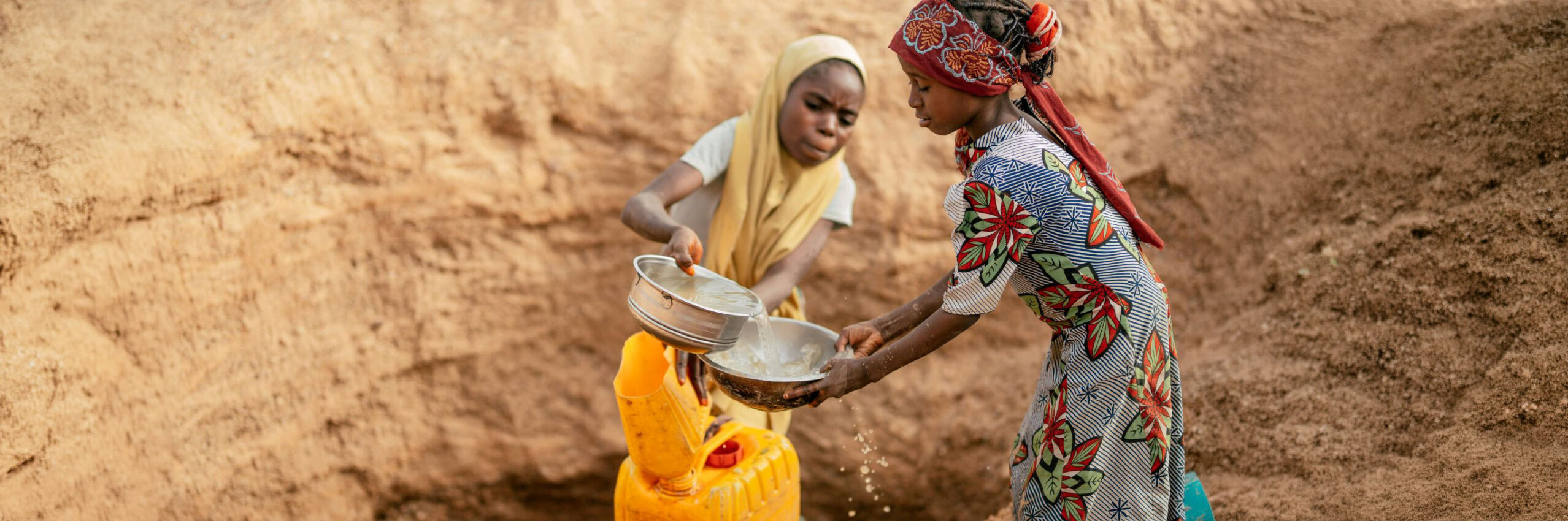
A York University doctoral researcher will help inform international policy on equitable access to water and sanitation as part of an international advisory group.
Michael Davies‑Venn, a Faculty of Graduate Studies student in the Global Health graduate program, joins the Expert Group on Equitable Access to Water and Sanitation led by the United Nations Economic Commission for Europe (UNECE).
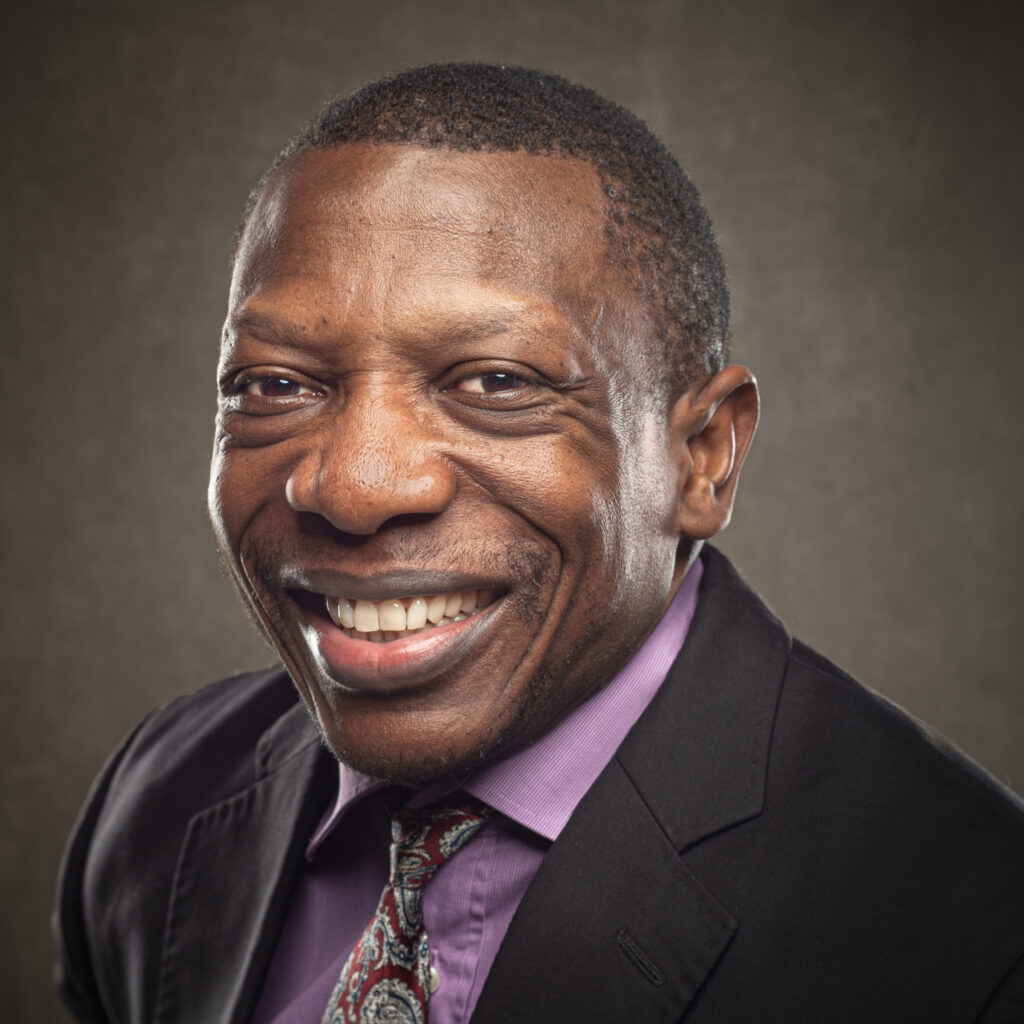
The three‑year appointment highlights the impact of York researchers in addressing complex global health and environmental challenges.
The group brings together researchers, policymakers and practitioners and began its work earlier this year to guide the implementation of the World Health Organization’s Protocol on Water and Health. Its focus is on identifying marginalized populations and supporting their meaningful engagement in water and sanitation decision-making.
Davies‑Venn’s research synthesizes Sustainable Development Goal (SDG) 6 – Clean Water and Sanitation, equity, global health and environmental governance. His work examines how water insecurity and climate events, such as floods and drought, influence the risk of infectious diseases, including malaria, cholera and West Nile virus.
“Several diseases linked to climate change impacts relate to the excess or absence of water,” Davies‑Venn says. “This suggests water is a key driver of climate‑related health outcomes.”
In his fieldwork, Davies-Venn focuses on basin‑area communities along the Orange‑Senqu River basin in Southern Africa, a transboundary freshwater resource that supports approximately 20 million people across Botswana, Namibia, Lesotho and South Africa. Through participatory research, he studies how environmental and social factors shape disease risk.
“It is reasonable to argue that human life is impossible without fresh water,” he says. “Yet inequities in access to drinking water persist.”
In some river‑basin communities, open defecation remains common due to limited access to sanitation services which increases the risk of waterborne diseases such as cholera.
“Some people use the river as a latrine, while others collect water from the same river for domestic use, including drinking,” Davies‑Venn says. “Open defecation is a serious problem and cholera remains a global challenge. Research also links cholera outbreaks to floods and drought.”
For Davies‑Venn, the work is both academic and personal. Having spent his childhood in similar conditions, and surviving malaria, gives him first-hand insight into the challenges these communities face.
Those experiences inform his commitment to global health solutions and his passion to make a difference.
“If, through working with basin communities, I raise awareness that contributes to saving even one child from cholera, that contribution to science and humanity will give meaning to my life and work,” he says.
A member of the Dahdaleh Institute for Global Health Research, Davies-Venn's research is supervised by Associate Professor Godfred Boateng (Faculty of Health), Professor Idil Boran (Faculty of Liberal Arts & Professional Studies) and Professor Philipp Pattberg (Vrije University-Amsterdam). In addition to his doctoral committee's guidance, he credits York for fostering a collaborative environment that supports interdisciplinary research, helping him bridge his background in environmental governance with public health.
He is completing his doctorate through a planned cotutelle arrangement between York University and Vrije Universiteit Amsterdam, an international partnership that reflects York’s commitment to global research collaboration.
Through his work in the expert group, he hopes that by empowering vulnerable populations, and recognizing broader societal failures, critical improvements in equitable access to water and sanitation will lead to healthier communities.
"Micheal’s appointment reflects the type of globally engaged, interdisciplinary scholarship York University is cultivating," says Amrita Daftary, professor and graduate program director at the School of Global Health. "Grounded in equity and shaped by lived experience, his work demonstrates how graduate research can contribute to meaningful change beyond the University and Canada."